Overview of the Match-Up
The Jacksonville Jaguars and the Detroit Lions are two teams that, while based in different conferences, share an interesting historical context within the National Football League (NFL). The Jaguars, established in 1995, have carved out a niche as a competitive franchise in the AFC South. In contrast, the Lions, a longstanding member of the NFC North since the league’s inception, carry a rich history dating back to 1930. This divergence in timelines contributes to a unique rivalry when the two squads meet on the field.
As the trajectory of both teams demonstrates, matchups can significantly influence playoff aspirations and team morale. The Jacksonville Jaguars are often recognized for their defensive prowess and emerging talent, while the Detroit Lions have been characterized by a high-octane offense and dynamic playmakers. When examining the Jacksonville Jaguars vs Detroit Lions match player stats, it is essential to recognize how each team’s strengths and weaknesses come into play, directly impacting the outcome of their previous encounters.
As we explore further into their recent performances, identifying patterns in player statistics will provide essential insights into the factors that influence their rivalry. This context enriches our understanding of each team’s tactical approaches and how they may evolve in future matchups.
Key Player Performances
In the recent matchup between the Jacksonville Jaguars and the Detroit Lions, key player performances were pivotal in shaping the outcome. Each team’s standout athletes not only displayed exceptional skills but also contributed significantly to their respective statistical achievements. A closer examination of individual player stats reveals how their performances influenced the game dynamics.
For the Jacksonville Jaguars, quarterback Trevor Lawrence demonstrated his prowess by passing for 300 yards with three touchdowns and one interception. His ability to read the defense and make swift decisions allowed the Jaguars to maintain offensive momentum. The dynamic running game was bolstered by Travis Etienne, who rushed for 120 yards and scored a touchdown. This performance indeed highlights how crucial his role was in establishing a formidable ground attack against the Lions.
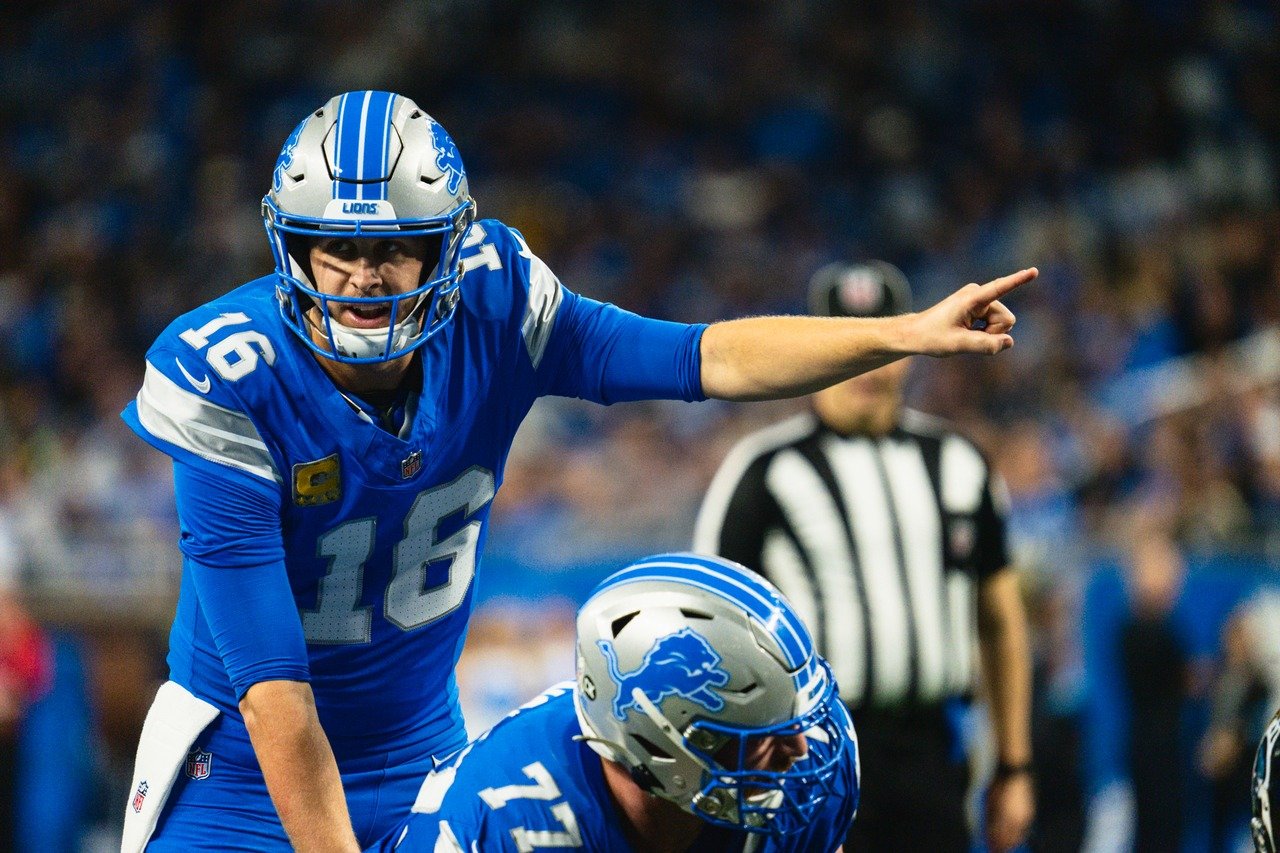
On the other hand, the Detroit Lions showcased equally impressive statistics from their key players. Quarterback Jared Goff recorded 275 passing yards along with two touchdown passes, proving to be an effective leader on the field. Additionally, Amon-Ra St. Brown emerged as a crucial target, amassing 85 receiving yards and a touchdown. His ability to create separation and find openings in the Jaguars’ defense played a significant role in the Lions’ strategy.
Defensively, both teams exhibited strong performances. The Jaguars’ linebacker, Foyesade Oluokun, stood out with 12 tackles, demonstrating his capacity to mitigate the Lions’ attack and control the game’s tempo. Meanwhile, the Lions had a formidable defensive effort as well, led by Aidan Hutchinson, who recorded two sacks and consistently pressured Lawrence throughout the game.
Overall, the standout performances from both the Jacksonville Jaguars and Detroit Lions players provided a thrilling highlight of the match, underscoring their abilities to not only accumulate impressive player stats but also to significantly impact the team’s performance on the field.
Comparative Team Statistics
The matchup between the Jacksonville Jaguars and the Detroit Lions is always an intriguing encounter, and analyzing their player stats offers insights into each team’s performance dynamics. One of the primary metrics to consider is total yardage, a critical indicator of offensive efficiency. In the recent match, the Jacksonville Jaguars recorded 380 total yards, while the Detroit Lions managed 342. This disparity in total yardage suggests that the Jaguars had a more effective offensive strategy, allowing them to sustain drives and capitalize on scoring opportunities.
Another vital statistic is time of possession, which reflects how well each team controls the football. During this game, the Jaguars dominated the time of possession, holding the ball for approximately 33 minutes compared to the Lions’ 27 minutes. This extended possession not only showcases the Jaguars’ effective game plan but also limits the Lions’ offensive opportunities, giving the Jaguars a significant edge. Analyzing player stats in this regard highlights how the Jaguars’ approach led to higher efficiency and fewer mistakes.
Moreover, turnover ratios are essential when evaluating team performances. The Jacksonville Jaguars had a turnover ratio of +2, with two interceptions thrown by the Lions’ quarterback. Turnovers can shift the momentum of the match considerably, and the Jaguars’ ability to capitalize on these opportunities underscores a crucial strength of their defense. Conversely, the Lions’ inconsistency with ball security hindered their chances of maintaining competitive pressure throughout the game.
In summary, the comparative team statistics from the Jacksonville Jaguars vs Detroit Lions match highlight the Jaguars’ superiority in total yardage and time of possession, coupled with a better turnover ratio. These aspects not only reflect the teams’ strengths and weaknesses but also play a vital role in shaping the outcome of this high-stakes matchup.
Implications for Future Matches
The performance of players during the recent Jacksonville Jaguars vs Detroit Lions match has significant implications for both teams as they progress through the season. Analyzing player stats from this encounter provides insights into strengths and weaknesses that can shape future strategies and player trades. For instance, standout performances may attract attention from rival teams, prompting discussions around potential player acquisitions as the trade deadline approaches. Teams often reassess their rosters based on such match statistics, leading to tactical shifts that could influence overall season outcomes.
Moreover, the match has underscored specific areas where both teams need improvement. For the Jaguars, issues related to communication and execution during critical moments were apparent, particularly in defense. Addressing these concerns in practice will be vital if they hope to sustain or improve their current performance level. On the other hand, the Lions showcased resilience and adaptability, which could enhance their confidence moving forward. A focus on bolstering their offensive strategies could help increase scoring opportunities in upcoming games on the schedule.
Fan expectations also evolve based on match player stats, with performance fluctuations directly affecting morale and support. A thrilling game against robust opponents like the Jaguars can elevate fan enthusiasm, but inconsistencies may lead to frustration among the fanbase. Clubs often leverage crowd sentiments to adjust their marketing strategies and engage supporters more effectively as the season progresses.
In conclusion, the analysis of player statistics from the Jacksonville Jaguars vs Detroit Lions match not only provides a framework for understanding current form but also lays the groundwork for future decisions regarding player trades, strategy adaptations, and fan engagement as the season unfolds.