The Clash of Titans: Overview of Chargers vs Texans
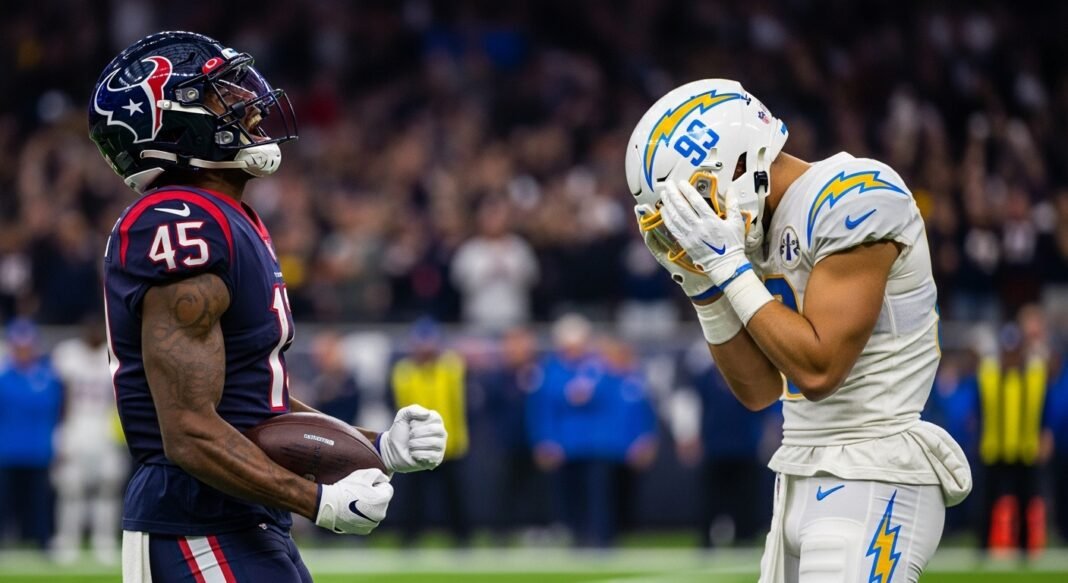
The matchup between the Los Angeles Chargers and the Houston Texans has emerged as a compelling contest in the realm of professional football. Understanding the dynamics of this rivalry requires an examination of the player statistics, which often serve as critical indicators of team performance and individual prowess. Historical encounters between the two teams have shaped their current standings, with each contest heightening the stakes for both franchises.
Player stats provide invaluable insights into how each team approaches the game. For the Chargers, key players such as quarterback Justin Herbert and wide receiver Keenan Allen frequently dominate the field, establishing themselves as pivotal figures capable of altering the game’s momentum. On the other side, Texans’ standout players, including quarterback C.J. Stroud and running back Dameon Pierce, have proven their mettle in high-pressure situations. Taking a closer look at these player stats reveals not only their individual talents but also how they contribute to their teams’ overall strategies and scoring opportunities.
The historical context of the Chargers vs Texans rivalry adds layers to its significance. The two teams have faced off multiple times since the Texans entered the league in 2002, fostering a competition marked by both memorable moments and fierce contests. Understanding the evolution of this rivalry helps fans appreciate the underlying tension and excitement during match days. As both teams vie for playoff positions, their performance—driven by player stats—becomes crucial in determining their paths forward. Overall, analyzing these statistics fosters a deeper understanding of the strengths and weaknesses that could define the Chargers vs Texans match, highlighting the importance of well-informed predictions and fan engagement.
Key Player Performances: Standouts from Both Teams
In the recent Chargers vs Texans match, individual player statistics played a pivotal role in determining the outcome of the game. Both teams had standout performances, showcasing impressive skills and on-field prowess that contributed significantly to their respective gameplay strategies. On the offensive side, the Chargers’ quarterback exhibited remarkable command of the game. He completed 75% of his passes, accumulating over 300 passing yards and throwing three touchdown passes, which were instrumental in taking a commanding lead early in the game. His ability to read the defense allowed him to connect with key receivers effectively, which proved to be a game changer.
Similarly, the Texans’ running back was a force to be reckoned with, gaining 150 rushing yards and finding the end zone twice. His hard-nosed running style and ability to break tackles not only kept drives alive but also energized the offensive unit, showcasing the importance of a solid ground game in the Chargers vs Texans match. Moreover, the Texans quarterback also had a commendable performance, throwing for 250 yards and achieving a touchdown, displaying resilience even against intense defensive pressure.
Defensively, both teams had players who made significant impacts on the match. The Chargers’ defensive end recorded two sacks and several tackles for loss, disrupting the Texans’ offensive rhythm considerably. On the other hand, a cornerback from the Texans effectively intercepted a pass, returning it for a touchdown that shifted the momentum back to their side. These individual contributions highlight the importance of player statistics in analyzing the overall performance during the Chargers vs Texans match. By breaking down these key performances, one can appreciate how each player’s efforts combined to create the dynamic flow of the game.
Comparative Analysis: Chargers and Texans Statistics Breakdown
In the recent Chargers vs Texans match, a detailed examination of player statistics reveals significant insights into the performance of both teams. By comparing the key metrics, we can uncover trends that influenced the game’s outcome. First, examining the passing game illustrates the contrasting styles of the two teams. The Chargers, known for their dynamic offense, showcased a higher completion percentage, throwing for an impressive total yardage. Their quarterback demonstrated remarkable accuracy, successfully delivering multiple long passes which translated into critical scoring opportunities.
On the other hand, the Texans exhibited a more conservative passing strategy, focusing on short and intermediate throws. This approach limited their overall yardage but ensured possession and reduced turnover risks. By analyzing the quarterback ratings, we discern that while the Chargers quarterback achieved a vastly superior score, the Texans maintained a lower interception rate, critical in sustaining drives.
Defensive statistics also tell a compelling story in this matchup. The Chargers’ defense recorded more sacks, indicating an aggressive pass-rush strategy that disrupted the Texans’ offensive rhythm. However, the Texans’ defensive unit excelled in tackles for loss and key third-down stops, demonstrating their ability to minimize yardage gains and keep the game competitive. Illustrative graphs highlighting these metrics reveal the shifting momentum throughout the game.
Another dimension worth noting is the performance of special teams. The Chargers emerged victorious in this category, with superior field goal percentage and average return yardage, providing their offense with advantageous starting positions. This breakdown of the Chargers vs Texans match player stats not only reflects the strengths and weaknesses of both teams but also contextualizes their strategic choices on the field, leading to a comprehensive understanding of the game’s dynamics.
Looking Ahead: Implications of Player Stats for Future Matches
Analyzing the Chargers vs Texans match player stats provides vital insights into both teams’ current standings and potential trajectories in upcoming games. Each statistic recorded during this pivotal encounter serves as a reflection of not only individual performances but also team dynamics and strategies. For the Chargers, key stats highlighted their offensive prowess, particularly in passing efficiency and yardage gains, which could be leveraged in future matchups to exploit defensive weaknesses. The Texans, on the other hand, displayed resilience in their defensive metrics, showcasing their ability to limit points and create turnovers. This strength will likely shape their approach in high-stakes scenarios ahead.
The implications of these player statistics extend beyond immediate performances. For the Chargers, consistent quarterback play, as evidenced by their completion percentages and success rate on third downs, hints at a strong offensive foundation. Moving forward, the coaching staff may emphasize maintaining this momentum, optimizing play-calling to further capitalize on the strengths identified through game analysis. Conversely, the Texans may need to reassess their offensive strategies, focusing on enhancing their running game and improving passing accuracy, especially when matched against formidable defenses.
Moreover, the Chargers vs Texans match player stats can influence team strategies as they prepare for future contests. Coaching staff will likely analyze these metrics to make informed decisions regarding player lineups and formations. Understanding the opposing team’s strengths and weaknesses gleaned from analytics will enable teams to adapt their gameplay effectively. Ultimately, the ongoing importance of player stats in the sports analytics landscape cannot be understated; they serve as crucial tools for strategic planning and player development, ensuring that teams continually evolve and improve their competitive edge as they navigate the complexities of the season.