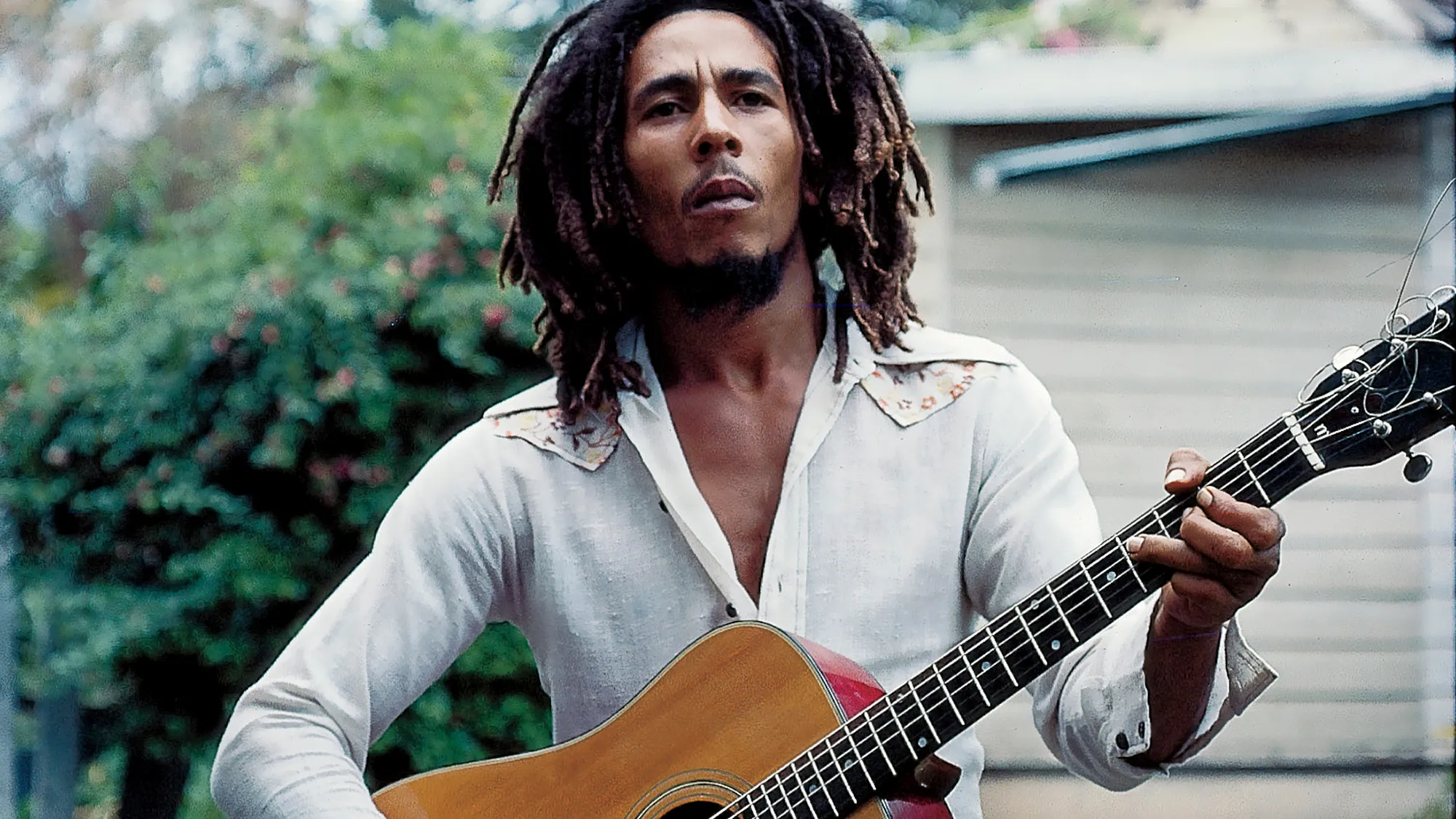
The Early Life of Bob Marley
Bob Marley, an influential figure in the world of music, was born on February 6, 1945, in the small township of Nine Mile, located in the parish of St. Ann, Jamaica. His mixed heritage played a significant role in shaping his identity and musical career. Marley was the son of a white British father, Norval Sinclair Marley, and a black Jamaican mother, Cedella Booker. This blend of cultures provided him with a unique perspective that would later resonate within his music, intertwining various elements of Jamaican history and spirituality with broader global themes.
As a young boy, Bob Marley was deeply influenced by the vibrant cultural milieu of Jamaica. From an early age, he showed a strong inclination toward music, drawn to the rich sounds of ska and rocksteady that permeated the island’s landscape during the 1960s. His family life was modest, and Marley often faced economic hardships. However, his mother was a driving force in his life, encouraging his passion for music and nurturing his creativity. This support was pivotal; she introduced him to numerous musical artists and genres that would shape his future works.
A significant turning point in Marley’s early life was his move to the city of Kingston in his teenage years. This relocation exposed him to the vibrant music scene and allowed him to meet influential musicians who would later become his collaborators. Here, Marley became involved with local bands, including the Wailers, which would eventually pave the way for his monumental success in reggae music. The experiences and cultural influences from his formative years were instrumental in developing Marley’s signature sound, one that captures the struggles and hopes of the Jamaican people while transcending borders to touch audiences worldwide.
The Rise to Fame
Bob Marley, an emblematic figure in the world of music, began his journey in the vibrant landscape of Jamaica. In 1963, Marley joined forces with Neville Livingston and Peter Tosh to form The Wailers. This collaboration marked a significant turning point, combining their talents to create a sound that would later transcend geographical boundaries. The Wailers initially faced challenges in gaining traction, but their perseverance began to pay off, especially after the release of their debut album, “Catch a Fire,” in 1973. This groundbreaking work introduced reggae music to a wider audience, showcasing Marley’s unique blend of rhythm, melody, and profound lyrics.
Throughout the 1970s, Bob Marley and The Wailers released several key albums that would solidify their place in music history. Albums such as “Rastaman Vibration” and “Exodus” received critical acclaim and commercial success, positioning Marley as a global ambassador of reggae. His music, often infused with themes of love, resistance, and social justice, resonated deeply with listeners from various backgrounds. Songs like “No Woman, No Cry” and “One Love” became anthems, reflecting the struggles and aspirations of countless individuals, far beyond the shores of Jamaica.
In addition to studio recordings, live performances played a vital role in Marley’s rise to fame. His dynamic concerts, rich with energy and passion, attracted fans worldwide and fostered a growing appreciation for reggae music. Notably, his participation in the One Love Peace Concert in 1978 showcased not only his musical prowess but also his commitment to social change. Bob Marley became a figure of unity amidst political strife, employing his platform to advocate for peace and justice. His ability to connect with audiences on a personal level, coupled with the universal themes present in his work, positioned him as an iconic legend within the music industry, ultimately changing the landscape of popular music forever.
Bob Marley’s Musical Legacy
Bob Marley, renowned as one of the most influential musical figures of the 20th century, left an indelible mark on both music and culture. His unique blend of reggae, ska, and rocksteady formed a distinctive style that transcended boundaries and resonated with audiences worldwide. Marley’s music was characterized by its rich melodies, rhythmic complexity, and sincere emotional depth, establishing him as a trailblazer in the genre of reggae.
A significant aspect of Marley’s legacy lies in the themes present in his lyrics. He often addressed social and political issues, including themes of freedom, resistance, and unity. Songs like “Get Up, Stand Up” and “Redemption Song” serve as anthems that inspired individuals to advocate for their rights and challenge oppression. Through his artistry, Bob Marley brought to light the struggles faced by marginalized communities, effectively using music as a medium for social commentary. His ability to contextualize profound messages within infectious rhythms played a pivotal role in shaping cultural discourse during his time and beyond.
The impact of Bob Marley extends far beyond his lifetime, inspiring generations of artists in various genres. Many musicians cite Marley as a primary influence in their work, adapting his focus on social justice and cultural identity. Contemporary artists in genres such as hip-hop, rock, and even pop continually echo Marley’s themes, showcasing his lasting relevance. Additionally, Marley’s music continues to be celebrated globally through various platforms, including festivals, radio stations, and streaming services, ensuring that his voice remains ever-present in modern music.
In summary, Bob Marley’s musical legacy is a testament to his unparalleled talent and profound influence. His ability to weave cultural and social narratives into soul-stirring music has allowed him to become not just a musician but an enduring symbol of resilience and hope. His songs continue to inspire, reminding us of the power of music to affect change and foster unity among diverse peoples.
The Cultural Icon and Its Significance
Bob Marley, an emblem of resilience and cultural representation, transcended the realm of music to become a symbol of peace, unity, and social consciousness. His Rastafarian beliefs played an integral role in shaping his artistic vision, blending spirituality with a profound message against oppression and injustice. Through iconic tracks such as “One Love” and “Redemption Song,” Marley advocated for global harmony, inviting listeners to reflect on their shared humanity and the importance of solidarity in the face of adversity.
Marley’s music became a powerful vehicle for addressing societal issues, resonating with diverse audiences across the globe. His portrayal of the struggles of the marginalized and his poignant lyrics challenged listeners to confront the injustices in their own societies. The essence of his message, rooted in compassion and empathy, reverberated widely, positioning him not merely as a musician but as a culturally significant figure advocating for change.
The legacy of Bob Marley is evident in the continued celebration of his contributions to music and culture. Numerous festivals and events bear his name, drawing enthusiasts to honor his life and work. In addition to musical tributes, documentaries and books exploring his influence and philosophy further solidify his status as a cultural icon. His image is often marketed as a symbol of peace and resistance, making him relevant even decades after his passing. This blending of music with a broader narrative of social change has ensured that Marley’s influence persists, reminding us of the enduring power of art to inspire and unite.
In conclusion, Bob Marley’s status as a cultural icon continues to resonate, encapsulating the values of unity and social justice he so passionately advocated. His legacy endures through ongoing tributes and the transformative impact of his music, urging society to remember the importance of collective peace and understanding.