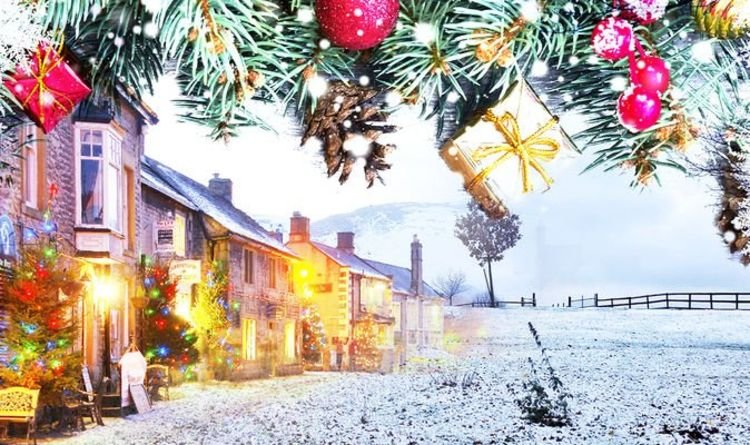
The Myth of a UK White Christmas
The concept of a ‘white Christmas’ in the UK is deeply woven into the fabric of British folklore and culture. The origins of this enchanting image can be traced back to the late 19th century, notably popularized by the classic Christmas song “White Christmas,” written by Irving Berlin in 1942. The charm of a snowy landscape during the festive season has fostered a collective nostalgia, where the idea of snow gently blanketing the ground on Christmas Day symbolizes warmth, family, and celebration.
Statistical analyses reveal that the likelihood of snowfall on Christmas Day varies significantly across the UK. Historical records indicate that, while snow has graced some Christmas Days, its occurrences are infrequent. For instance, since 1960, the Met Office has documented only a small percentage of Christmas Days with snow falling in major cities, highlighting the rarity of such events. This rarity only enhances the magical perception surrounding the notion of a UK white Christmas, creating a longing among many for the picturesque ideal.
Moreover, media and advertising play a pivotal role in perpetuating the myth of a snowy Christmas. Seasonal advertisements often depict idyllic scenes of families enjoying the holiday amid a serene, wintry backdrop, enhancing public expectations. Films, commercials, and seasonal cards inundate consumers with images of a typical UK white Christmas, further embedding this image into cultural consciousness. As a result, the actual weather conditions often take a back seat to the expectations shaped by the media’s portrayal of the perfect festive season.
Given the enchanting allure and emotional connection associated with a UK white Christmas, it is no wonder that this ideal continues to thrive in the collective imagination, despite its occasional elusiveness. The charm and expectation surrounding a snowy Christmas remain a cherished part of holiday celebrations across the nation.
Memorable White Christmases in the UK
The idea of a UK white Christmas evokes nostalgia and warmth, with many individuals cherishing memories of snow-covered landscapes on December 25th. One particularly memorable Christmas, the winter of 1962-1963, stands out in history. The UK experienced heavy snowfall that started in December, contributing to one of the coldest winters recorded. On Christmas Day, many regions were blanketed in a thick layer of snow, creating picturesque scenes that have been etched in the memories of those who lived through it. Families would gather around their Christmas trees, often spending the day indoors due to the biting cold outside.
Fast forward to 2010, another year infamous for its winter weather, the UK encountered a significant snowfall just days before Christmas. On December 25th, locations across the country experienced a flurry of snow, leading to a stunning white Christmas that delighted many. There are reports of individuals embarking on winter walks, building snowmen, and engaging in snowball fights, all while capturing the magic of the season. This event resonated deeply with communities, amplifying the spirit of Christmas and reminding everyone of the charm a winter wonderland brings.
It is important to note that while some areas of the UK may enjoy a white Christmas, others may not. For example, regions in the north, such as Scotland, often experience more stable winter conditions compared to southern England, where milder weather prevails. Climatological data reveals striking differences in snowfall patterns, emphasizing how geographical diversity influences the likelihood of experiencing a UK white Christmas. Each region tells a unique story, contributing to the rich tapestry of festive traditions and recollections from years gone by.
Modern Christmas Celebrations: Snow or No Snow?
In contemporary England, the essence of Christmas celebrations has evolved significantly, largely influenced by societal changes and climatic variations. Traditionally, many Britons have cherished the image of a UK white Christmas, with snow blanketing the landscape, creating a picturesque winter wonderland. However, in recent years, the presence of snow has become increasingly unpredictable. Climate change is affecting weather patterns across the UK, resulting in milder winters where the likelihood of experiencing a traditional snowy Christmas has decreased.
Despite the changeable weather, Christmas remains a deeply cherished holiday, characterized by various festive traditions. Modern celebrations emphasize elements such as festive markets, dazzling lights, and joyful gatherings that transcend the absence of snow. In urban areas, Christmas markets showcasing artisanal crafts and seasonal delicacies draw large crowds. These markets have become integral to the festive experience, rendering the weather somewhat secondary to the joy and camaraderie shared amongst communities.
Moreover, families partake in activities such as decorating homes, exchanging gifts, and enjoying holiday meals, which remain central to the celebration regardless of weather conditions. Often, communities come together to enjoy seasonal performances, concerts, and charity events, reinforcing the spirit of giving and festivity. The absence of snow does not diminish the excitement around these gatherings; instead, it highlights the resilience of holiday traditions in adapting to modern realities.
Ultimately, the fondness for a UK white Christmas may linger in the hearts of many, but the joy of Christmas is increasingly found in togetherness and shared experiences. As people embrace the changing seasons, they continue to find innovative ways to enjoy the festive period, ensuring that Christmas remains a time of celebration, irrespective of whether snow graces the landscape.
Preparing for a Potential UK White Christmas
As the festive season approaches, the prospect of a UK white Christmas fills the air with enchantment and anticipation. While the likelihood of snow can be uncertain, preparing for the possibility not only enhances the festive spirit but also ensures that your holiday plans are resilient to any weather surprises. First and foremost, it is wise to consider your travel arrangements. Snowy conditions may impact roads and public transport, so keep an eye on weather forecasts and be flexible with your plans. Planning ahead by allowing extra travel time can mitigate potential disruptions.
To complement a potential snowy backdrop, consider your home décor. Winter-themed decorations can transform your living space into a festive wonderland. Cozy blankets, twinkling lights, and ornaments that reflect the glistening beauty of snow can evoke the essence of a UK white Christmas. Use shades of white, silver, and blue to mirror the frosty landscape, enhancing the overall ambiance even if snow does not fall.
Creating a warm and inviting atmosphere at home is essential for celebrating the holiday, regardless of the weather. Stock up on holiday essentials such as food, drinks, and gifts, ensuring you have everything you need to host friends and family comfortably. Aromatic candles and festive scents can elevate the mood, offering a sense of warmth and joy that truly captures the spirit of the season.
Additionally, winter-proofing your home can help maintain a cozy haven during chillier weather. Insulate windows and doors, keep extra blankets handy, and always have a hot beverage ready to sip while you enjoy the festive cheer. Ultimately, whether or not a UK white Christmas graces the season, embracing the holiday spirit will guarantee that you savor every moment of this magical time of year.