Introduction to thejavasea.me Leaks AIO-TLP
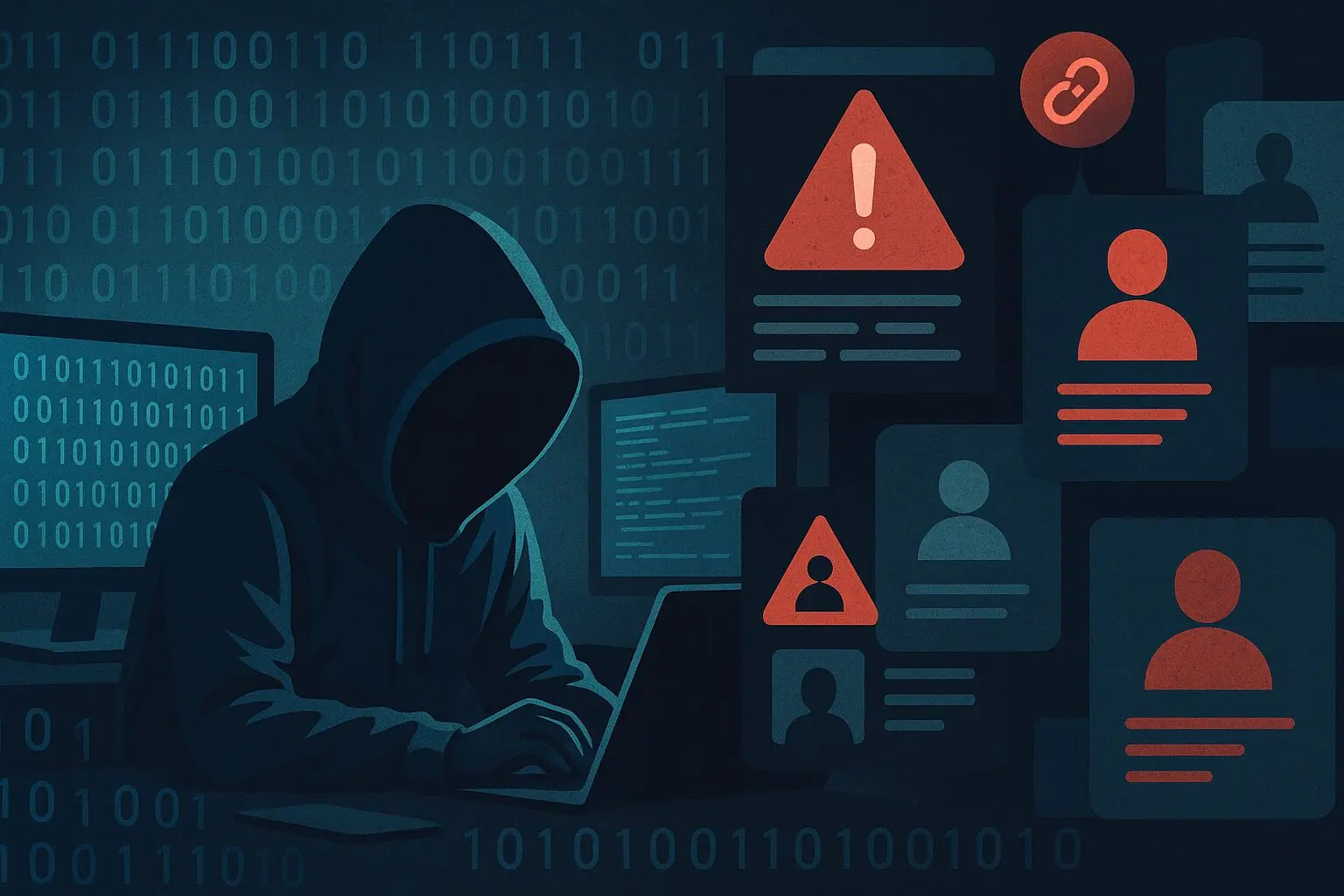
Thejavasea.me leaks aio-tlp refers to a series of unauthorized disclosures that have emerged within the digital landscape, capturing the attention of users, developers, and cybersecurity experts alike. Originating from the website thejavasea.me, these leaks encompass a wide array of sensitive information, including personal data, source code, and proprietary algorithms, all of which raise significant concerns regarding privacy and data security. The leaks are particularly notable due to their potential impact on various stakeholders, eliciting reactions that span from alarm to proactive mitigation efforts.
The significance of thejavasea.me leaks aio-tlp extends beyond mere data exposure; it highlights vulnerabilities in systems that are often taken for granted. Users find themselves increasingly susceptible to identity theft and fraud as a result of this data breach. Developers, on the other hand, face the daunting task of addressing the security flaws that allowed for such leaks, prompting a necessary reassessment of coding practices and system protections. As the tech community grapples with these issues, the leaks serve as a clarion call for improved security measures and more robust accountability mechanisms in data handling.
The Nature of the Leaks: What to Expect
Thejavasea.me leaks aio-tlp have emerged as a significant concern within the digital landscape, characterized by a diverse array of confidential information that has been compromised. These leaks typically involve personal data, including email addresses, passwords, and other identifying details that could allow for unauthorized access to various accounts. The risk extends beyond individual users to organizations that may have sensitive information on their clients, thereby raising serious security and privacy issues.
Discovery of these leaks can often be attributed to a combination of automated data breaches and user-shared data. Many of these leaks are uncovered through monitoring forums or dark web marketplaces where such information is traded. Due to this proactive approach from cybersecurity professionals and organizations, data leaks like those from thejavasea.me can be tracked, prompting timely responses to mitigate their impact.
Observations from previous incidents affirm patterns that are often repeated in data leaks. Commonly, hackers exploit vulnerabilities within systems or take advantage of weak passwords to gain access to databases containing sensitive data. However, what sets thejavasea.me leaks aio-tlp apart from earlier breaches is not just the volume of data stolen, but also the sophistication with which the attacks were carried out. This has raised alarms in cybersecurity circles as it illustrates a significant evolution in the tactics employed by malicious actors.
Furthermore, the implications of such leaks are profound. Users find their privacy compromised, with potential exposure to identity theft or financial fraud. Organizations face reputational damage, legal ramifications, and the costs associated with remediation efforts. Understanding the characteristics of thejavasea.me leaks aio-tlp is critical to arm individuals and corporations alike against the growing threat of data breaches, highlighting the need for increased security measures and awareness.
Reactions and Responses from the Community
The recent revelations surrounding thejavasea.me leaks aio-tlp have elicited a myriad of reactions across the tech community. Developers, cybersecurity experts, and everyday users find themselves navigating the aftermath of this significant breach. Initial responses varied widely, with some expressing shock at the scale and implications of the leaks, while others lamented the ongoing vulnerabilities present in many systems. The mixed emotions underscore the need for a collective evaluation of accountability and security in the tech space.
Cybersecurity professionals have taken the lead in initiating discussions aimed at improving protective measures. Many experts emphasize the importance of threat modeling and stress testing to identify vulnerabilities that could lead to similar leaks in the future. Forums and online communities have seen vibrant discussions on strategic frameworks for enhancing cybersecurity, with experts providing insights into potential preventive measures. This collaborative approach highlights a growing awareness and urgency to adopt robust security protocols.
Additionally, everyday users have rallied together to express their concerns and seek solutions. Social media platforms have been filled with discussions about personal data protection and the possible repercussions of the leaks. Users have become more proactive in educating themselves about security practices, demanding greater transparency from tech companies. This demand for accountability extends beyond individual actions, with community-driven initiatives coming to the forefront, pushing for industry-wide reforms and stronger regulatory frameworks.
In summary, the diverse reactions to thejavasea.me leaks aio-tlp reflect a collective call to action within the tech community. As stakeholders engage in thoughtful discourse regarding security measures and accountability, there is a palpable shift towards a more resilient system. These evolving dynamics illustrate the community’s commitment to not only addressing current vulnerabilities but also fostering a culture of vigilance against future threats.
Future Implications and Preventative Measures
The recent events surrounding thejavasea.me leaks aio-tlp have raised significant concerns regarding data security and privacy. As these leaks become more prevalent, it is essential to examine their long-term implications on policy frameworks and best practices in data protection. Organizations must adapt their strategies to mitigate risks associated with such incidents and prioritize user protection to foster trust in digital ecosystems.
One of the primary impacts of these leaks may manifest in the formulation of stricter data regulations. Governments and regulatory bodies could be prompted to implement more comprehensive laws governing personal data protection, emphasizing accountability and transparency from organizations holding sensitive information. These regulations would enforce higher standards for data encryption and breach reporting, ultimately ensuring a more secure environment for users.
In addition to regulatory changes, lessons drawn from thejavasea.me leaks aio-tlp can inform organizations in developing robust security protocols. Companies should invest in advanced technologies such as artificial intelligence and machine learning to identify potential threats and vulnerabilities before they are exploited. Regularly updating security software and conducting thorough vulnerability assessments can serve as necessary preventive measures.
For individual users, navigating the landscape following the leaks calls for heightened vigilance. Employing tools such as password managers, two-factor authentication, and audit services can significantly enhance personal data security. Users should also stay informed about potential breaches, promptly changing passwords in response to warnings or suspicious activities. Additionally, educating oneself about phishing attempts and malware can further diminish the likelihood of falling victim to data attacks.
In conclusion, the future ramifications of thejavasea.me leaks aio-tlp highlight the urgent need for stronger policies and preventative measures in both organizational and individual contexts. By staying proactive and adaptable, stakeholders can effectively navigate the challenges posed by such leaks, paving the way for safer digital experiences.