Unraveling Ozdikenosis: What Is It?
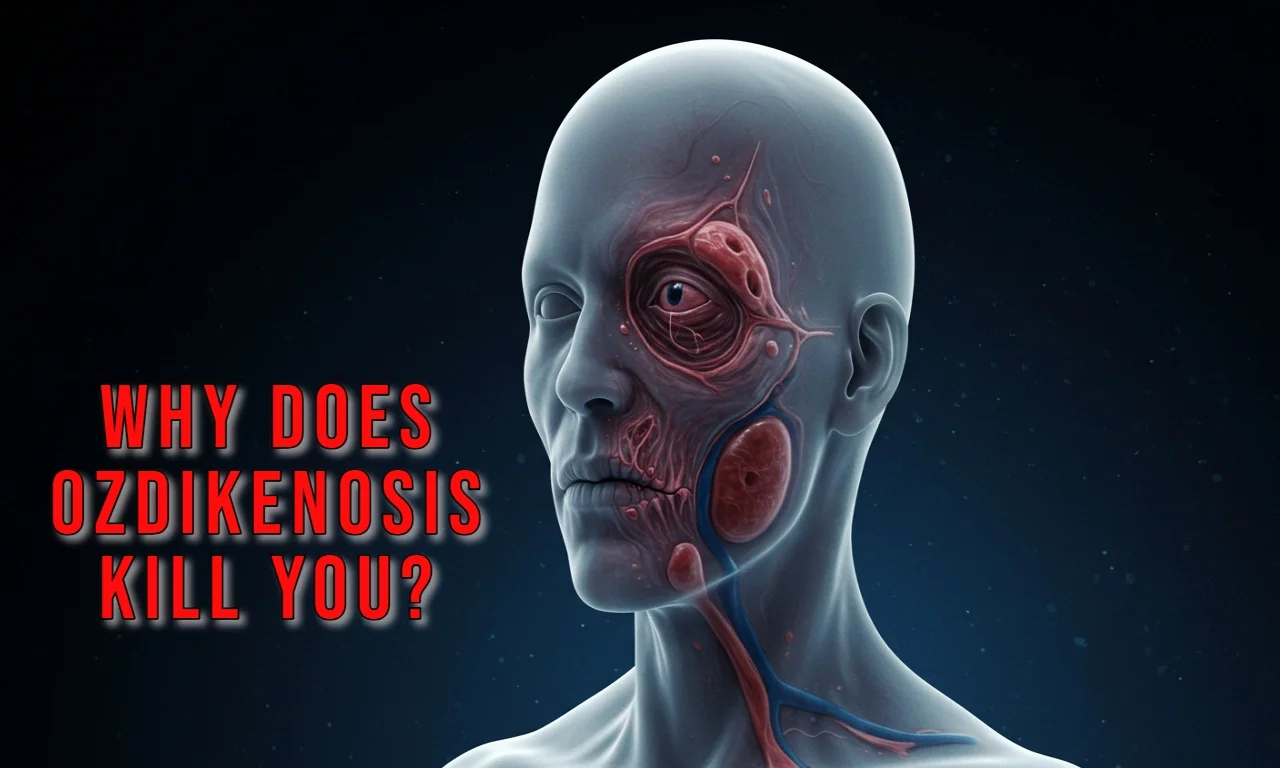
Ozdikenosis is a rare yet serious medical condition characterized by the degradation of the body’s tissues primarily affecting the nervous system. Understanding its definition is crucial for recognizing its implications on health. The term is derived from Greek roots, where “ozdiken” refers to the process of degradation, and “osis” indicates a pathological condition. The biological processes involved in ozdikenosis are complex, often involving an interplay of genetic and environmental factors that lead to cellular dysfunctions.
This condition manifests through a range of symptoms, including chronic pain, sensory loss, and muscle weakness. Individuals suffering from ozdikenosis may also experience cognitive difficulties, which can severely impact their quality of life. Diagnosis typically involves a thorough medical history, neurological examinations, and advanced imaging techniques such as MRI or CT scans to assess the extent of tissue damage. Specialists may also conduct genetic testing to identify potential hereditary links associated with the disease.
The prevalence of ozdikenosis remains low, making it a lesser-known health concern in medical circles. However, research continues to shed light on its potential causes. Risk factors may include genetic predispositions and exposure to environmental toxins. Furthermore, individuals with autoimmune disorders or previous viral infections may exhibit an increased likelihood of developing this debilitating condition. The convergence of these aspects contributes to a heightened understanding of why does ozdikenosis kill you, emphasizing the immediate need for awareness and further research.
Ozdikenosis represents a critical area of inquiry within medical science, with ongoing studies aimed at uncovering its underlying mechanisms and improving treatment options for affected individuals. Its potential to cause severe health consequences necessitates a comprehensive approach to diagnosis, management, and preventive strategies.
The Mechanisms of Mortality: How Ozdikenosis Affects the Body
Ozdikenosis is a progressive pathological condition that leads to various physiological changes, ultimately culminating in fatal outcomes. Understanding why does ozdikenosis kill you involves examining the complex interplay between the disease and the organ systems it affects. Primarily, ozdikenosis is known for its detrimental impact on the cardiovascular system. The condition can cause significant arterial damage and lead to chronic inflammation. Over time, this inflammation can result in atherosclerosis, which narrows blood vessels and increases the risk of heart attacks and strokes.
In addition to cardiovascular complications, ozdikenosis also profoundly affects the respiratory system. Patients may experience chronic obstructive pulmonary disease (COPD) as a result of ongoing lung damage, severely compromising their ability to breathe efficiently. As lung function declines, patients often face a cycle of increasing respiratory complications, which dramatically reduces their quality of life and lifespan.
The neurological ramifications of ozdikenosis are equally concerning. Systemic inflammation can trigger neurodegenerative changes, leading to cognitive decline and increased susceptibility to conditions like dementia or Alzheimer’s disease. These neurological consequences not only affect mental capabilities but also physical health, as they may lead to mobility issues and a greater risk of falls or injuries, further complicating the clinical picture.
Regarding disease progression, ozdikenosis typically advances through critical stages marked by an initial onset of symptoms and eventual multi-organ failure. Case studies reveal that the timeline from the early symptoms to severe complications can vary; however, intervention at critical junctures is vital to prevent fatal outcomes. Statistics indicate that, without effective management, the mortality rate increases significantly as the disease progresses, underscoring the urgency of awareness around why ozdikenosis kills individuals who are often unaware of its severe implications.
Recognizing the Warning Signs: Symptoms and Early Detection
Understanding the symptoms of ozdikenosis is crucial for early detection and effective intervention. Ozdikenosis is characterized by a range of symptoms that may initially seem benign but can escalate significantly if not addressed promptly. Early recognition can be the difference between manageable treatment and life-threatening complications. Common initial signs include chronic fatigue, unexplained weight loss, and persistent headaches, which can easily be mistaken for common ailments. Additionally, individuals may experience respiratory symptoms, such as shortness of breath or chronic cough, that may signal underlying issues related to this condition.
Monitoring these symptoms is vital for anyone at risk of ozdikenosis. Keeping a daily log of physical well-being, including any changes in appetite, energy levels, or respiratory patterns, can provide valuable insights. These observations not only assist in recognizing early signs but also become crucial information for healthcare providers when diagnosing the condition. Understanding these warning signs allows individuals to take proactive steps, enhancing the likelihood of favorable outcomes.
It is also essential to understand when to seek medical intervention. If symptoms persist or worsen, there should be a low threshold for consulting a healthcare professional. Timely appointments can facilitate early diagnostic tests that may reveal the presence of ozdikenosis, allowing for interventions that can significantly alter the disease’s progression. Awareness of personal health history and lifestyle factors can play a pivotal role in deciphering the risk of developing ozdikenosis. Regular check-ups and discussions with healthcare providers about any concerning symptoms can lead to better management practices.
Empowering oneself with knowledge about the signs and symptoms associated with ozdikenosis ultimately contributes to improved health literacy and personal agency in recognizing potential health threats. Understanding ‘why does ozdikenosis kill you‘ can encourage individuals to remain vigilant regarding their physiological changes and seek intervention at critical moments, potentially saving lives.
Path to Prevention and Treatment: Can Ozdikenosis Be Managed?
Managing ozdikenosis, a condition linked to severe health risks, requires a multifaceted approach encompassing both medical interventions and lifestyle changes. Current treatment options for ozdikenosis primarily focus on alleviating symptoms and preventing complications. Medical professionals may recommend a combination of medications aimed at reducing inflammation and managing pain, alongside physical therapy to enhance mobility and strength. It is critical to consult healthcare providers to determine the most appropriate therapy, as individual needs may vary significantly among patients.
In addition to pharmacological interventions, lifestyle modifications play a crucial role in managing ozdikenosis. Incorporating regular exercise, maintaining a balanced diet, and avoiding harmful habits such as smoking can substantially mitigate the risks associated with the condition. Patients are encouraged to follow a tailored fitness regime under professional supervision to ensure safe practices. Moreover, weight management is essential, as excess body weight can exacerbate the symptoms of ozdikenosis and increase the likelihood of complications arising.
Ongoing research in the field of ozdikenosis is promising, with scientists investigating innovative therapies that target underlying mechanisms of the disease. This includes the development of new medications and potential treatment modalities that could improve patient outcomes. As research progresses, it is anticipated that additional preventive measures will be identified, further empowering patients in their fight against ozdikenosis.
Preventive strategies should not be overlooked. Regular health check-ups can lead to early detection of ozdikenosis, enabling timely intervention. Educating individuals about the condition, its symptoms, and risk factors can foster an environment where proactive health management is a priority. By implementing comprehensive prevention and treatment strategies, patients can reduce their chances of developing ozdikenosis and live healthier lives.